You build a fire, and instead of rising neatly into the chimney, smoke spills out under the lintel and spreads across the ceiling. The smoke alarm goes off. The house smells for two days. Some fireplaces do it only for the first few minutes, some do it every time, and some only on certain days. A smoking fireplace is not just annoying. The same conditions that push smoke into the room can push carbon monoxide in with it. The fix depends entirely on the cause, and there are five common ones. We go through them in the order we check them on calls in Rancho Palos Verdes and around the South Bay, starting with the simplest.
Cause 1: Something is blocking the flue
A chimney can only carry smoke away if the path is open. The most basic cause is a damper that is closed or only partly open. It sounds obvious, but dampers with worn linkages often feel open when the plate has only moved halfway. Next is a blockage higher up: a bird or raccoon nest, leaves and twigs on the smoke shelf, pieces of a broken flue tile, or a cap whose screen has clogged with soot and debris. Heavy creosote can also narrow a flue enough to slow the draft.
How to tell: Look up past the open damper with a flashlight. You should see daylight, or at least a clear passage. If the smoking started suddenly after the fireplace had been working fine, or after a spring of scratching sounds in the chimney, a blockage is likely. A chimney sweep clears it and lets us see whether anything else is damaged.
Cause 2: The flue is cold
Chimneys draft because warm air rises. When you light a fire in a cold chimney, the column of cold, heavy air in the flue resists, and smoke spills into the room until the flue warms up. On the coast, damp marine air settles into chimneys overnight and makes this worse. Chimneys on an outside wall, which lose heat to the outdoors on three sides, are more prone to it than those in the middle of the house.
How to tell: The smoking happens for the first few minutes, then stops once the fire is going well.
The fix: Prime the flue before lighting. Open the damper, light a tightly rolled sheet of newspaper and hold it up near the damper for a minute until you feel the draft start pulling upward. Then light the fire. Build small, hot fires with dry, seasoned wood rather than a big pile of damp logs. If this is all it takes, no repair is needed.
Cause 3: The house is starving the fire for air
A fireplace needs to pull a lot of air from the room to feed the fire and push smoke up the flue. Modern windows, weatherstripping and remodels make houses much tighter than they were when many fireplaces were built. Bathroom fans, kitchen hoods and clothes dryers pull air out of the house too. When the house cannot supply enough air, the chimney loses the competition and smoke comes back into the room.
How to tell: Crack open a window near the fireplace. If the smoking stops right away, the house is short of air. Also notice whether it smokes worse when the kitchen hood or a bath fan is running.
The fix: Keep a window cracked when burning, turn off exhaust fans while the fire is going, or have an outside air supply added. For homeowners who want heat without the trouble, a sealed fireplace insert draws its combustion air differently and solves this for good.
Cause 4: The opening is too big for the flue
Every fireplace has a ratio between the size of its opening and the size of its flue. When the opening is too large, the flue cannot carry away all the smoke the fire produces, and some spills out over the top. This is common in older homes with large, decorative fireplaces, and it happens after remodels where someone has enlarged the opening or added a raised hearth that changed the proportions.
How to tell: Smoke always spills from the top edge of the opening, even with a warm flue and a cracked window.
The fix: A smoke guard, a strip of metal or glass fixed across the top of the opening, makes the opening smaller and often solves it completely. Glass doors can help too. In some cases a taller flue or a different cap increases the draft enough. We measure the opening and flue and tell you which fix fits, as part of a fireplace repair visit.
Cause 5: The chimney is too short or in the wrong wind
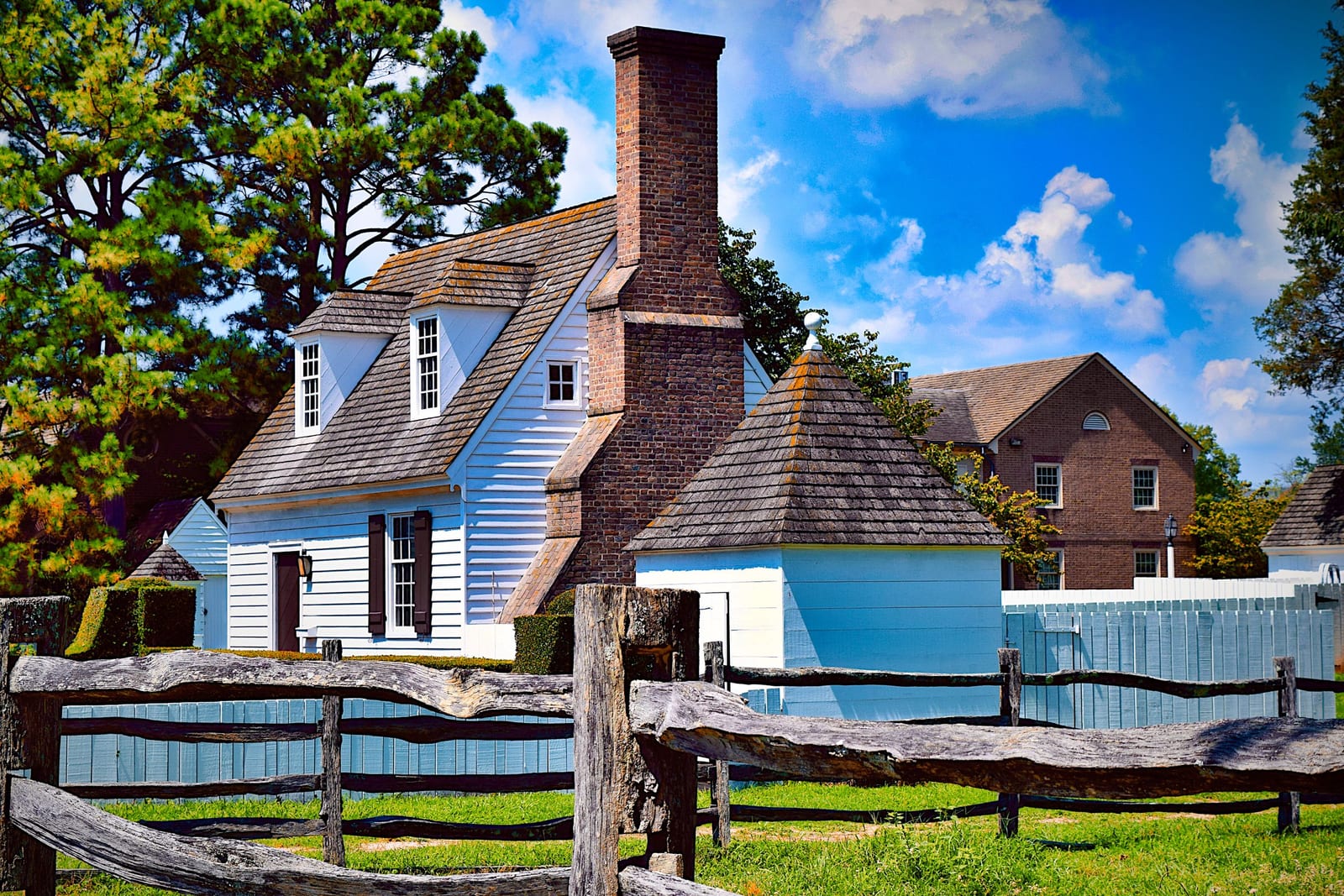
A chimney needs to reach high enough above the roof to catch clean airflow. Codes require it to extend at least three feet above where it passes through the roof and at least two feet higher than anything within ten feet. Chimneys that were legal when built can end up too short after a second story is added or a taller house goes up next door. On the peninsula there is another factor: hillside lots, where wind blowing over the slope can push down on the chimney top. Smoke problems that only happen when the wind comes from one direction point to this.
How to tell: The fireplace smokes only on windy days or in certain wind directions, or it started smoking after a nearby addition or a new house.
The fix: Extending the flue, adding a cap designed to resist downdrafts, or both. These are quoted in writing after we have seen the chimney and its surroundings.
A note on smells without smoke
Sometimes there is no smoke during a fire, but the room smells smoky the next day or on warm afternoons. That is usually creosote in the flue giving off odor as damp air moves down the chimney, combined with a damper that does not seal. A sweep and a damper repair, or a top-sealing damper, fix it.
When to stop and get help
If you see smoke in the room and the simple fixes do not help, do not keep burning and hoping. Make sure the carbon monoxide alarms in your house work. Persistent smoking can also mean a damaged liner that lets smoke escape into the walls, which is a fire risk. In that case we may recommend a camera inspection.
Getting it diagnosed
When you contact us, tell us when the smoking happens: always, only at the start, only in wind, or only when the house is closed up. That one detail narrows the cause down more than anything else. Most smoking fireplaces can be fixed without major work once the real reason is clear.
Same Sign on Your Own Chimney?
Birchwood follows the sign back to the part that failed, photographs it and writes up the mend before any work. Visits go out from Palos Verdes Estates to Rolling Hills Estates, Rancho Palos Verdes, Torrance and the beach cities.