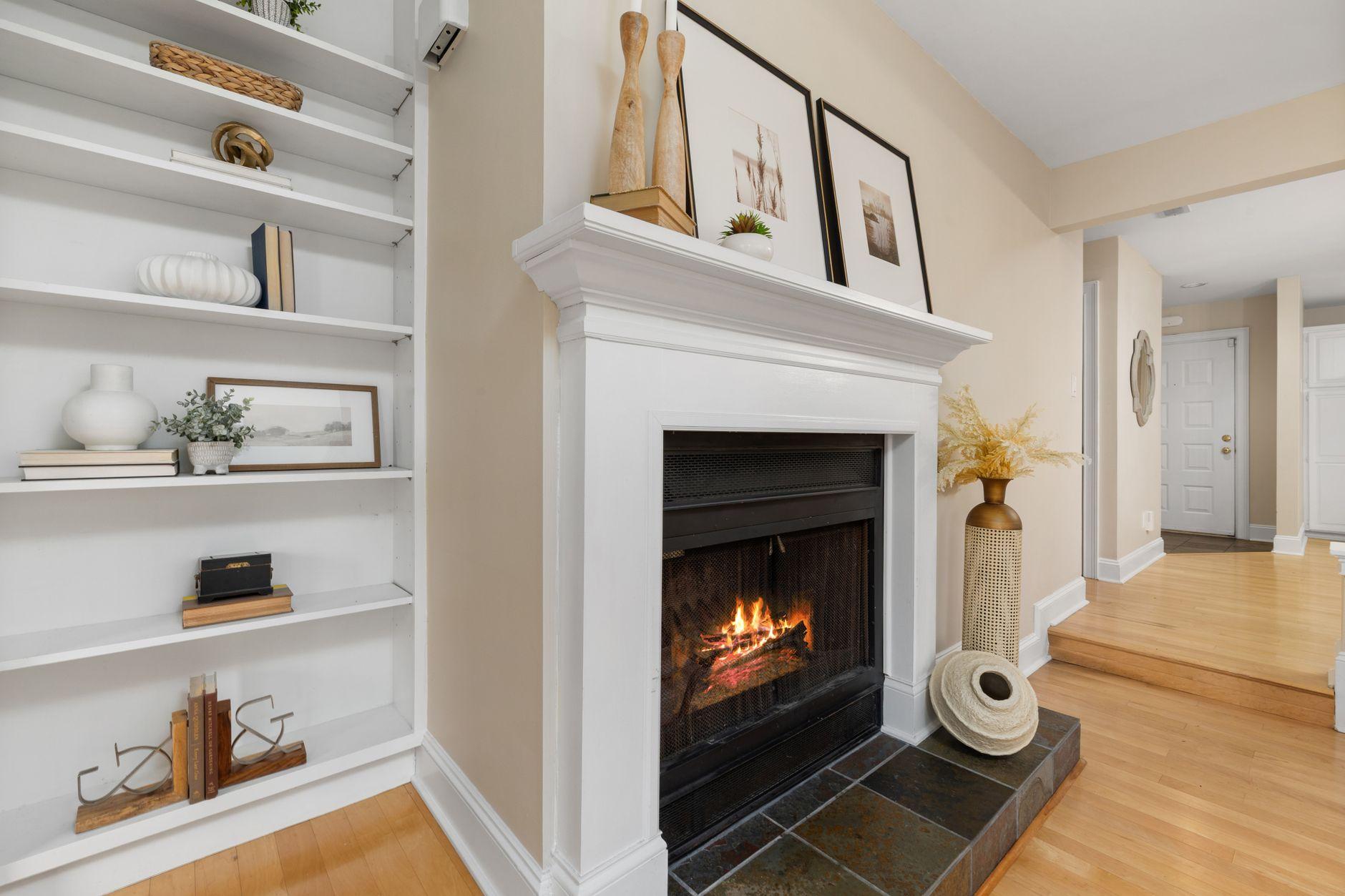
A gas fireplace is supposed to be the easy one. Flip a switch, press a button on the remote, and the flame comes up. So when it does nothing, or clicks without lighting, or lights for ten seconds and goes out, most owners have no idea where to start. Gas fireplaces fail in a small number of predictable ways, and the symptom usually tells you which part to look at. This guide walks through those symptoms in the order we check them on service calls in Rancho Palos Verdes and the beach cities, what each one means, and what is safe for you to try before you call.
First, a word on safety
If you smell gas strongly in the room, do not try to light anything. Turn off the gas valve to the fireplace if you know where it is, open windows, leave the house and call the gas utility from outside. A faint smell for a second or two when the pilot lights can be normal. A smell that lingers is not. Everything below assumes there is no gas smell beyond that brief whiff at ignition.
Symptom 1: Nothing happens at all
You press the switch or the remote and there is no click, no spark and no flame. Start with the simple things. Is the gas valve to the fireplace open? These are often in the floor beside the hearth or behind a lower panel, and they get bumped closed during cleaning or remodeling. Is the pilot lit? Many fireplaces have a standing pilot that has to be lit before the switch will do anything, and it may have gone out during the summer. If your unit runs on a remote, replace the batteries in both the handheld unit and the receiver, which is often a small box tucked under the firebox. Dead receiver batteries are one of the most common no-start calls we get.
If none of that helps, the problem is usually the wall switch wiring, the receiver itself or, on electronic ignition models, the control module.
Symptom 2: The igniter clicks, but nothing lights
Clicking means the igniter is trying. If no flame appears, gas is either not reaching the pilot or not lighting when it gets there. The most common cause is a blocked pilot orifice. The opening is tiny, and dust, lint and spider webs can close it off, especially in a unit that sat unused from spring to fall. The second cause is a spark that is landing in the wrong place because the igniter electrode has been bent or has corroded. The third is low gas supply, which is rare but worth checking if other gas appliances in the house are acting up too.
A blocked pilot needs the pilot assembly taken apart and cleaned.
Symptom 3: The pilot lights, then goes out when you let go
On a standing pilot system, you hold the control knob in to send gas to the pilot while you light it. The thermocouple, a small metal rod sitting in the pilot flame, heats up and produces a tiny voltage that holds the gas valve open. When you let go of the knob, that voltage is the only thing keeping gas flowing. If the thermocouple is worn, dirty or out of position, it does not produce enough voltage, the valve closes and the pilot goes out.
Sometimes the thermocouple is fine but the pilot flame is too weak to heat it properly, because the pilot is partly blocked. A healthy pilot flame should wrap around the tip of the thermocouple. A small, lazy, yellow pilot flame points to a dirty pilot.
In homes near the water, salt air corrodes thermocouple tips and electrical contacts faster than it does inland, so we replace more of these parts on the bluffs and in the beach cities than in Torrance or Gardena.
Symptom 4: The pilot stays lit, but the burner will not come on
If the pilot is burning steadily but the main burner does nothing when you use the switch or remote, look at the thermopile. A thermopile is a larger cousin of the thermocouple that generates enough voltage to run the valve from a wall switch. As it ages, its output drops, and eventually it cannot open the main valve. Wall switches also fail, and their wires can come loose at the valve. On remote systems, the receiver may be faulty even with fresh batteries.
We test thermocouples and thermopiles with a meter, which tells us in a minute or two whether the part is producing enough voltage. That way you pay for the part that failed instead of a guess.
Symptom 5: It lights, then shuts off by itself
A unit that runs for a few minutes and then shuts down is often protecting you. Many vented gas fireplaces have a safety switch that turns off the gas if exhaust is spilling back instead of leaving through the vent. On direct-vent units, the vent cap outside can be blocked by a bird nest, a plant or debris, or a vent pipe joint can have come apart. On older units, a thermocouple that is just barely working can also cause this pattern.
Do not keep relighting a unit that shuts itself off. If exhaust is not leaving properly, carbon monoxide can build up in the room. Turn it off and have the venting checked.
Symptom 6: The flame is small, yellow or sooty
A gas fireplace that lights but burns with a small flame, a tall lazy orange flame, or leaves soot on the logs and glass is not burning cleanly. Common causes are blocked burner ports, a dirty air shutter, logs that have been moved out of position so the flame hits them, or low gas pressure. Soot is a sign of incomplete combustion, which is the condition that makes carbon monoxide. A gas fireplace cleaning usually fixes it, and resetting the logs in the positions the manufacturer shows is part of that.
What you can safely do yourself
- Check that the gas valve to the fireplace is open.
- Replace the batteries in the remote and the receiver.
- Relight the pilot following the instructions on the label inside the lower panel.
- Look at the outside vent cap on a direct-vent unit for nests, plants or debris, without taking anything apart.
Anything that involves the pilot assembly, the valve, the burner or the venting should be done by a technician. Gas parts are not a place to experiment.
When repair stops making sense
Most gas fireplace problems come down to a part that costs far less than a new unit. But very old units can reach a point where parts are no longer made, or where the firebox or heat exchanger has cracked. When we find that, we say so plainly and show you what a replacement would involve. A new gas insert in an existing fireplace runs $2,850 to $5,750 installed on our price list. Sometimes that is the better use of money, and sometimes a small part gets you many more years. You should know which before you decide.
Getting it looked at
If your gas fireplace in Rancho Palos Verdes, Redondo Beach or nearby will not light or stay lit, tell us which of the symptoms above matches yours when you send your request. It helps us bring the right parts on the first visit. Every gas fireplace repair we do ends with a full cycle test, a leak check on the fittings we worked on and a carbon monoxide check in the room.
Same Sign on Your Own Chimney?
Birchwood follows the sign back to the part that failed, photographs it and writes up the mend before any work. Visits go out from Palos Verdes Estates to Rolling Hills Estates, Rancho Palos Verdes, Torrance and the beach cities.