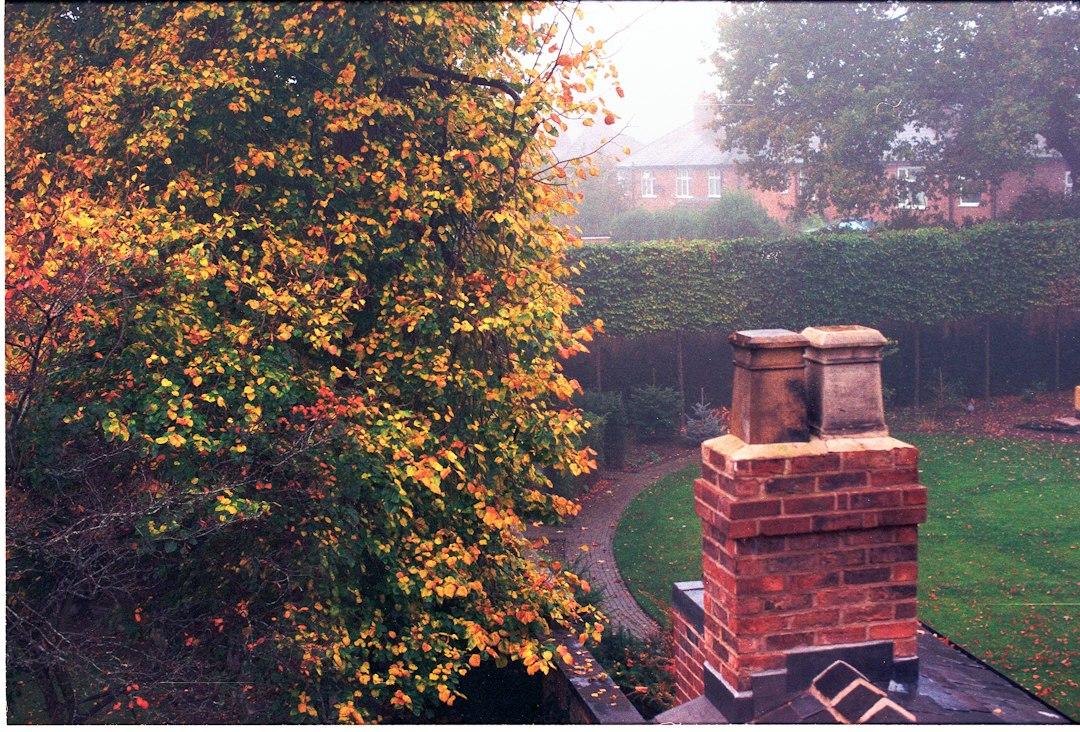
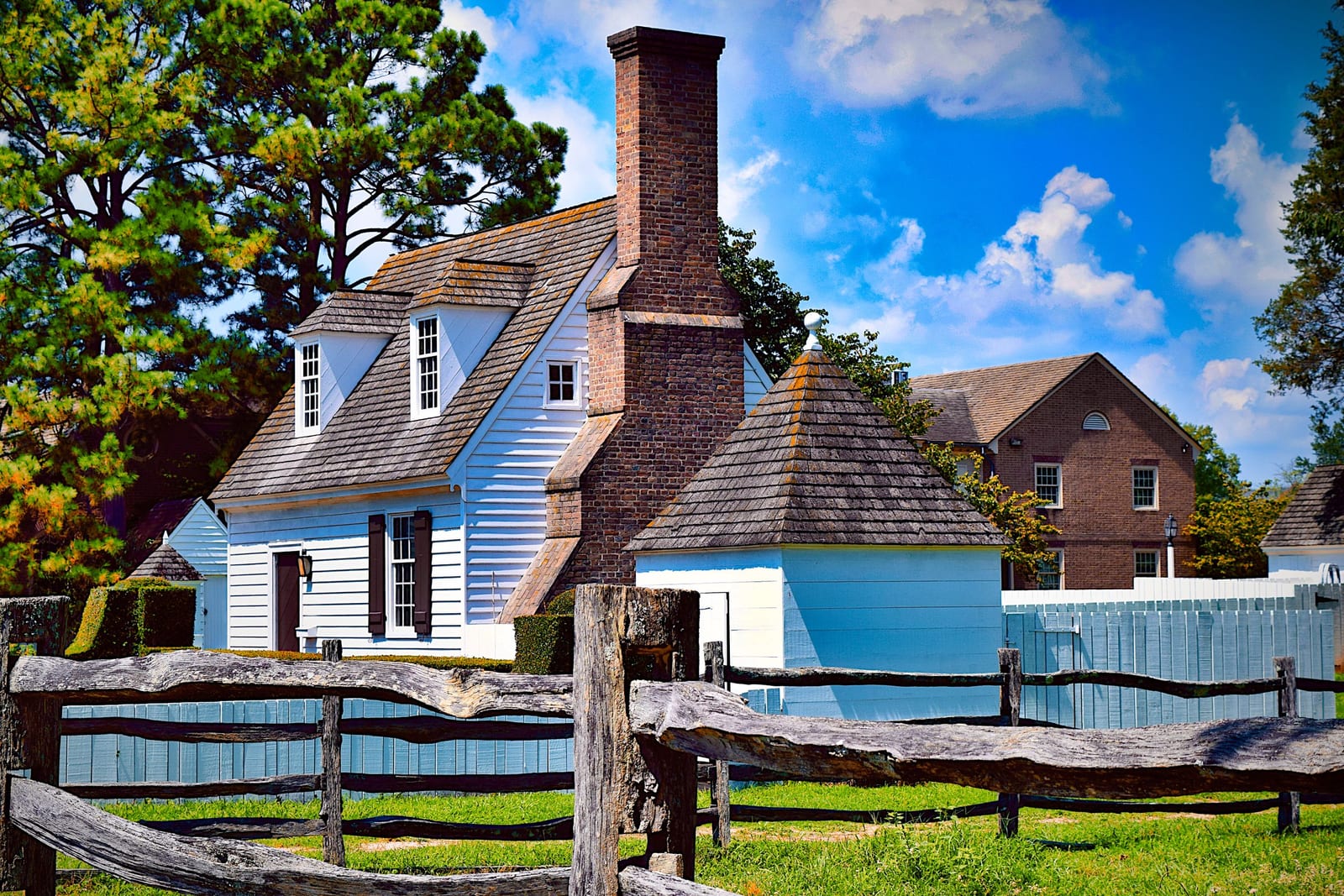
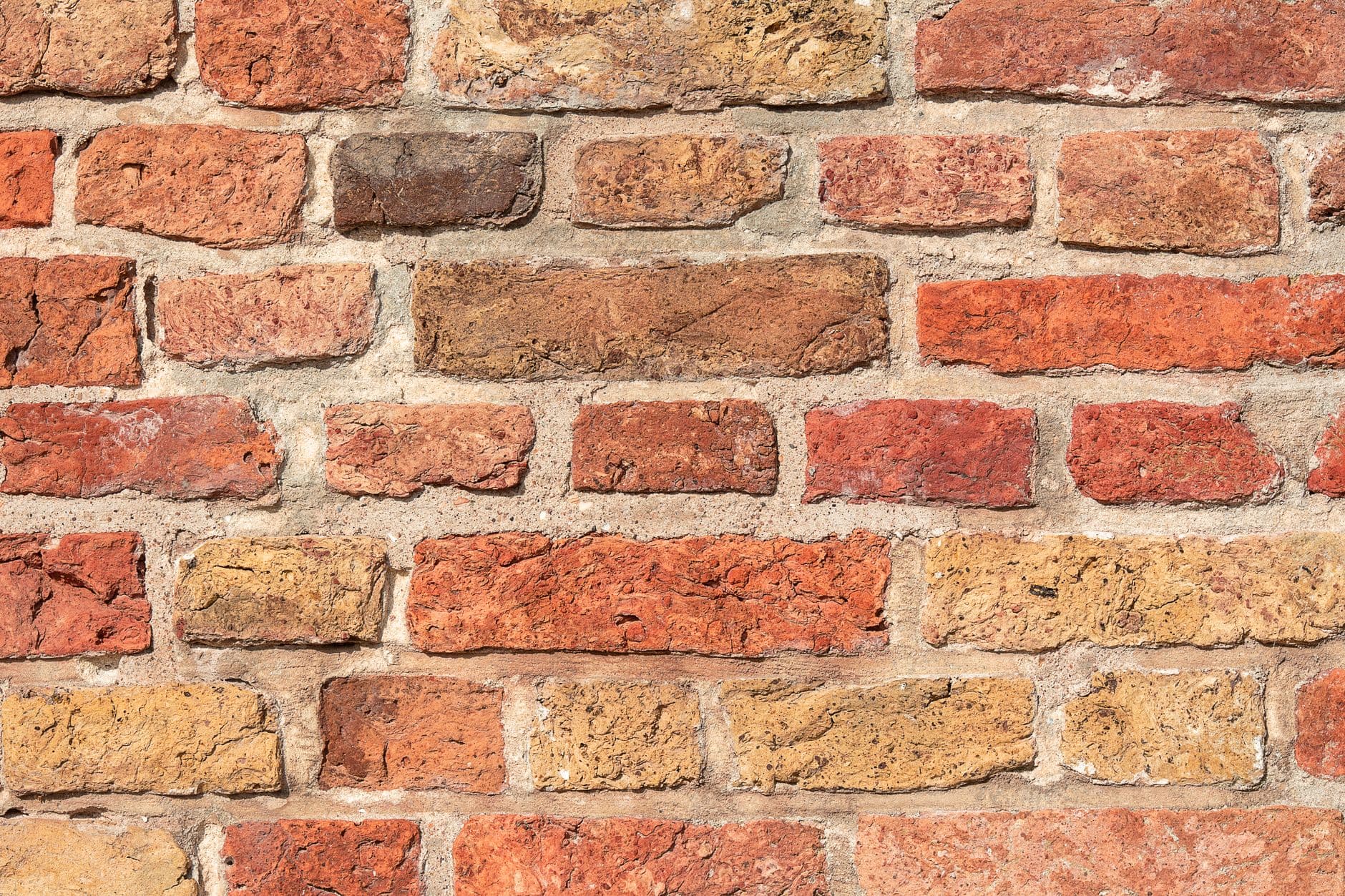
Walk around a few older houses on the Palos Verdes Peninsula and look up at the chimneys. On many of them, the brick on one side looks rougher than the rest. The smooth outer face has flaked away, leaving a pitted, sandy surface, and in places whole chips the size of a coin or a playing card are gone. Look in the gutter below and you may find the pieces. That is spalling, and it is one of the clearest signs that water has been getting into the masonry for a long time.
This post explains what spalling is, why it happens on chimneys near the coast even without freezing winters, how to tell an early case from a late one, and what the repair involves.
What spalling is
Brick is porous. It soaks up water the way a clay flowerpot does. When that water carries salt, or when it moves in and out of the brick over and over, it slowly breaks the bond between the outer face and the body of the brick. Eventually the face lets go and falls off. The exposed brick behind it is softer and more porous than the original face, so it soaks up water even faster, and the damage speeds up.
In cold climates, spalling is mostly blamed on freeze and thaw, as water in the brick freezes and expands. That is not our problem in Rancho Palos Verdes. Our version is driven by salt and moisture. Fog and sea spray deposit salt on the chimney almost every day. Rain and dew carry that salt into the brick. When the brick dries in the afternoon sun, the water evaporates and the salt stays behind, forming crystals in the pores just under the surface. Those crystals grow with each cycle, and they push the face off from the inside. The white powder you sometimes see on brick, called efflorescence, is the same salt that made it all the way out.
Why one side goes first
On the peninsula, the side of the chimney facing the ocean almost always shows damage first. It takes the wind, the fog and the spray. Chimneys on exposed ridgelines and bluffs wear faster than those tucked into the inland side of the hill. In Torrance, Gardena and the other inland cities we see much less of this, and when we do, the cause is usually a specific leak rather than the general climate.
The other place spalling starts is right under a failed crown or cap. If the top of the chimney lets water in, it soaks the upper courses of brick from the inside. The face of the brick near the top then spalls even on the sheltered side.
Early, middle and late
It helps to know where your chimney is in the process, because the repair and the cost change a great deal.
Early. The mortar joints look sandy and slightly recessed. You see white stains on parts of the brick. A few bricks have small flakes missing from their faces. At this stage, fixing the water source and sealing the face with a breathable water repellent can stop the damage from going further.
Middle. Many bricks have lost their faces, especially on one side. Mortar joints are worn back far enough that you can see shadows in them. Pieces show up in the gutter after windy weather. Here the work is to repoint the joints, replace the worst bricks, fix the crown or cap and then seal.
Late. Bricks are crumbling, joints are open deeply, and some bricks rock when pushed or have already fallen. The top of the chimney may lean slightly. At this point repointing will not hold, because the bricks themselves have failed. The honest answer is usually to take the chimney down to sound brick and rebuild the top section.
What causes it to get worse quickly
Some things speed spalling up a great deal. The worst is a sealer or paint that traps water. Some homeowners or handymen coat a spalling chimney with paint, a waterproof coating or a hard cement skim to stop the flaking. That keeps rain out for a while, but it also stops the water already inside from escaping. The salt keeps working behind the coating, and when it fails, large sheets of brick come off with it.
The second is hard mortar. Repointing old, soft brick with a modern, hard mortar means the brick becomes the weakest part of the wall. Instead of the mortar joints taking the movement and wear, the brick faces crack and spall next to the new joints.
The third is a chimney with no cap and a cracked crown. Every storm sends water straight into the masonry from above.
How we repair spalled brick
We start by finding where the water is coming from. If the crown is cracked or flat, we seal it or rebuild it with an overhang and drip edge so rain falls clear of the brick. If the cap is missing or rusted, we fit a stainless steel cap. If the flashing has failed, we fix that too. There is no point replacing brick if the same water keeps reaching it.
Then the masonry. Spalled bricks are cut out and replaced with brick matched as closely as we can find in size, color and texture. Worn joints are ground out to an even depth and repointed with mortar matched to the original in strength as well as color, which on older chimneys usually means a softer mix. Last, the outside of the stack gets a breathable water repellent, which sheds liquid water but lets vapor out so the brick can dry.
If the chimney is in the late stage, we will tell you that repair is no longer the right answer and explain what a partial rebuild involves. That is not a sales pitch. Repointing a chimney whose bricks have failed wastes your money.
What it costs to wait
Spalling never reverses on its own. Every wet season adds damage, and the rate increases as more faces come off. A chimney at the early stage might need a crown seal and a water repellent. The same chimney left for several years can need dozens of bricks replaced. Left long enough, the top courses loosen and need rebuilding. Loose brick at the top of a chimney is also a safety problem, since it can fall onto the roof, a walkway or a car below.
Repairs are quoted in writing after we have seen the whole stack, because the scope varies so much from one chimney to the next.
Checking your own chimney
You can do a lot from the ground with binoculars. Look at each side of the chimney. Note any flaking faces, white stains, sandy or recessed joints, and gaps where pieces are missing. Check the gutters and the roof around the chimney for chips and sand. Look at the crown on top if you can see it from a window or a neighbor's yard. Then tell us what you see. We can usually tell from a description whether it is time for an inspection or something you can watch for another season.
Same Sign on Your Own Chimney?
Birchwood follows the sign back to the part that failed, photographs it and writes up the mend before any work. Visits go out from Palos Verdes Estates to Rolling Hills Estates, Rancho Palos Verdes, Torrance and the beach cities.